TOPIC

Marine & Energy

Shipyards, marine automation, offshore wind, energy infrastructure and AI at sea.

China Builds More Ships, Korea Still Powers Much of the Fleet: Low-Speed Engines Meet the Battery-Hybrid Era
Insight

China Builds More Ships, Korea Still Powers Much of the Fleet: Low-Speed Engines Meet the Battery-Hybrid Era

China now dominates global shipbuilding volume, but South Korea remains extraordinarily powerful in the large low-speed two-stroke engines that propel the world's container ships, LNG carriers and tankers. Japan retains a smaller but technologically important engine industry, including independent engine IP and next-generation ammonia and hydrogen development. At the same time, battery-electric and hybrid propulsion is expanding rapidly. LFP batteries are gaining ground in marine applications because of safety, cycle life and cost, but NMC and LTO remain important where weight, volume or high-power charging matters. For large ocean-going ships, the future is therefore unlikely to be “battery versus engine.” It is more likely to be engine plus battery plus power electronics, increasingly managed as one integrated marine power system.
Aug 23, 2026 · 13 min read
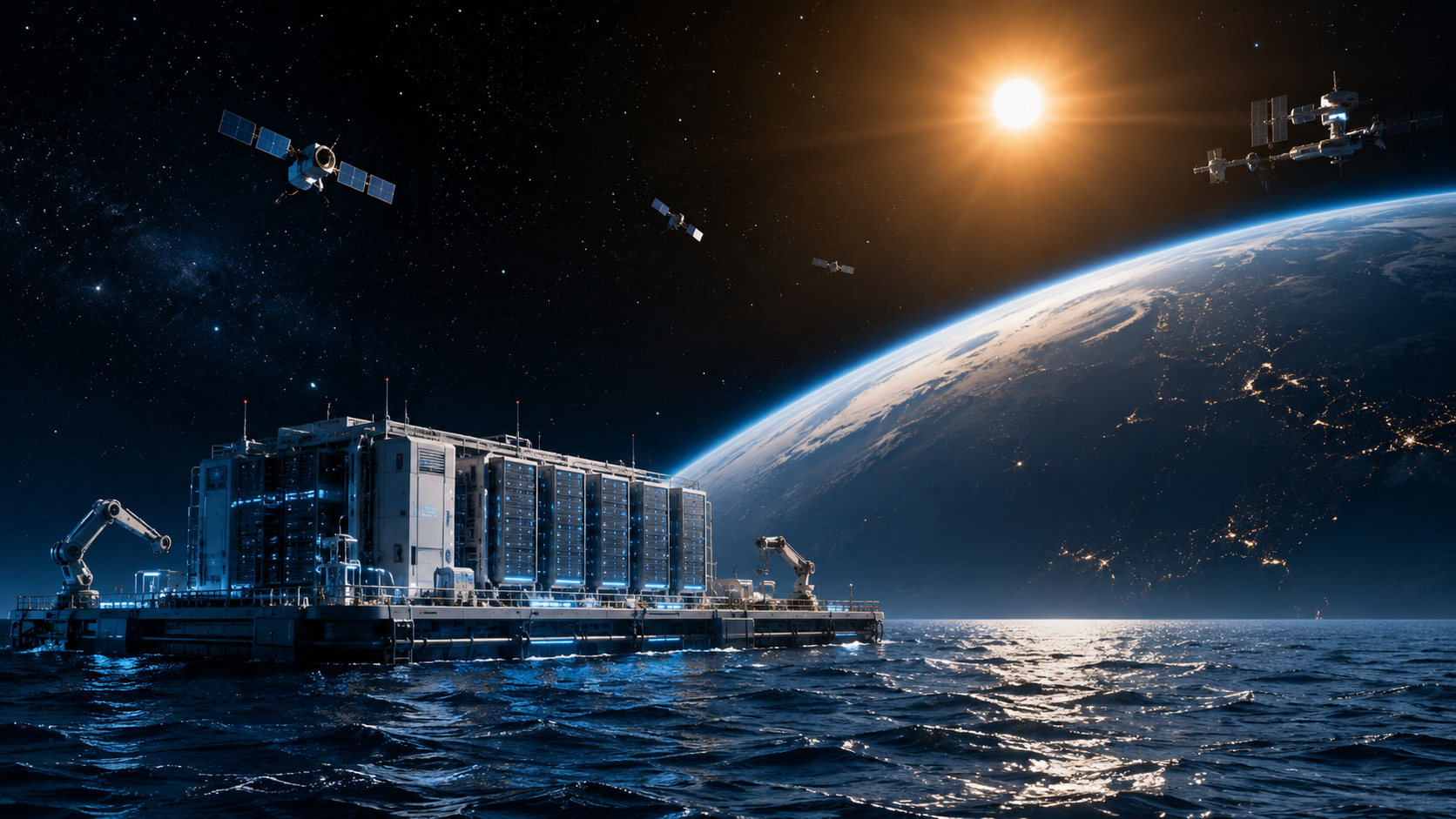
Floating offshore and orbital data centers supporting autonomous subsea robots, deep-sea resource exploration, lunar robotics and future space resource infrastructure.
Insight

Why Put Data Centers at Sea—or in Space?

Floating and orbital data centers are often promoted as solutions to land, power and cooling constraints. DATAAD argues that their strongest long-term use case may be different: providing local compute for autonomous machines exploring and developing the ocean floor and eventually space itself.

Aug 15, 2026 · 15 min read
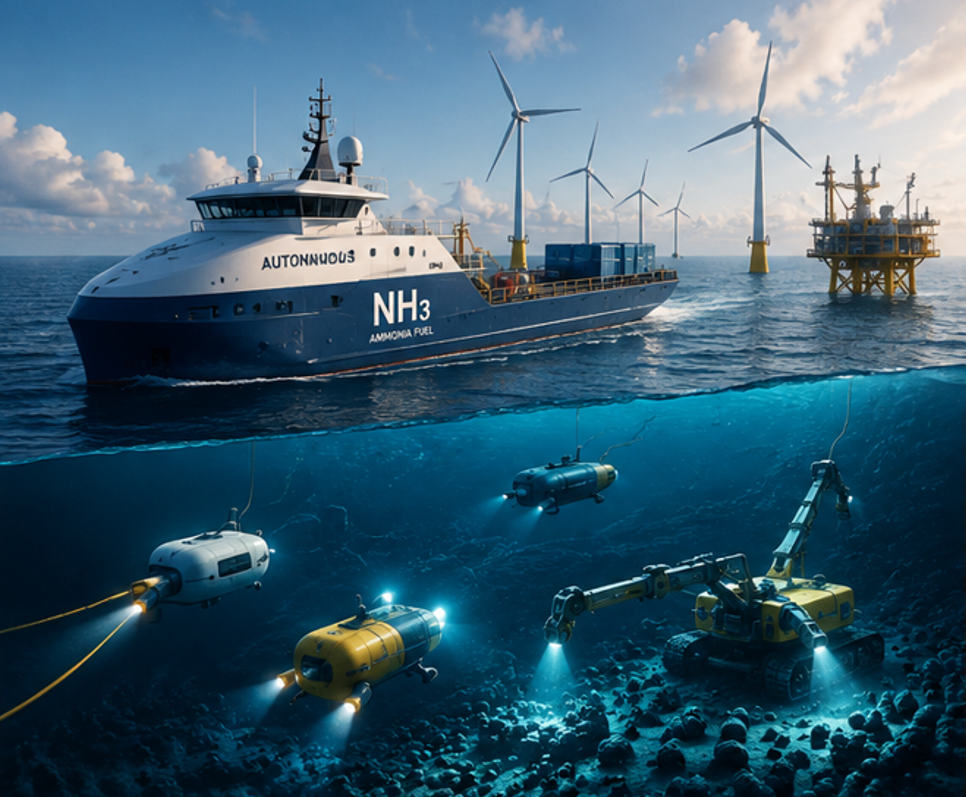
Autonomous ammonia-powered vessel working with subsea robots near offshore wind turbines and deep-ocean infrastructure.
Insight

The Ocean Is Becoming Autonomous: Ships, Robots and the Next Marine Energy Frontier

Shipping is entering a new era of autonomous operation and alternative fuels, while subsea robots may eventually extend automation from the ship to the seabed. Offshore wind remains important, but high capital costs, difficult maintenance and offshore logistics suggest that the future marine-energy economy will be far broader than wind turbines alone.

Aug 15, 2026 · 7 min read